What is Photojournalism
In basic terms, photojournalism is a set of images, or an individual one, that is taken to depict a story. Occassionaly, these images are put together with a piece of text to help tell the story, or if the image is strong enough, it is left by itself to tell the story. Photojournalism is used all around the world and has gone from telling the negative side of the news, for example war, poverty, femine and disease, to now taken images for the media of celebrity news.
Styles of Photojournalism
One of the first, well known British Photojournalists was Roger Fenton (see image right). Roger photographed the Crimean War and influenced other photojournalists to photographing the extreme areas of humanity. In the pre-nineteenth century, it was negative images that sold a story as these were always in high demand by the public. It wasn't until the early twentieth century that photojournalism started to become more positive. | 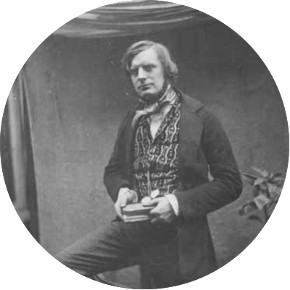 |
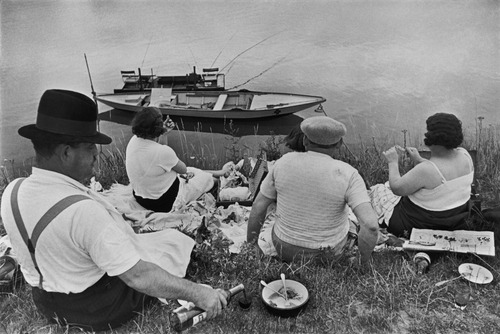 Image from http://www.moma.org/visit/calendar/exhibitions/968 'Picnic on the Banks of the Marne, 1938' | Henri Cartier-Bresson (August 22, 1908 – August 3, 2004) was a French photographer and he was considered to be the father of modernist photojournalism. It was he who began to show the glamourous side of photojournalism and also a founder of the Magnum Photojournalist Association. Henri-Cartier Bresson was a well known Magnum Agency Photojournalist, basing his stories on the Pre/Post War. Bresson's work was known as being a 'decisive moment'. His images were taken with thought, just a moment in time, reporting the reality of an event as natural as possible. This image to the left was of the picnic on the banks of Marne in France, a year before the war, to show the random course of society. However, in the image below, we see one of Henri's most famous images of the crowds waiting in Trafalgar square, 1937, for the coronation parade of King Gearoge VI. I |
have been influenced by this image because it shows the true emotion going through the womens faces on such an important day. I like how they don't seem happy, however they don't seem sad. The one woman in focus in the 2nd third of the image looks proud, as shes standing tall with a strong facial expression. | 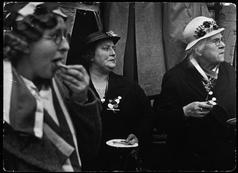 |
What is Magnum Photography?
From the book: Magnum Magnum Edited by Brigitte Lardinois and Gerry Butler
First published in the United Kingdom in 2007 by Thames and Hudson Ltd.
Last Acc
With over 400 images by Magnum photographers, taken throughout 60 years, we discover the journey of photojournalism to doumentary today. From Henri Cartier Bresson introducing photojournalism to us in the 1930's, to Gueorgui Pinkhassov in 2006, we see the differences and simularites between Magnum Photographers, as well as how techonology has influenced Magnum Photographers.
For over 60 years, Magnum photographers have been responsible for capturing some of the world’s most memorable photographs, images recognizable as part of our cultural landscape. Magnum photographs are recognisable for their black and white colour, most likely taken with a 35mm lens, and they would show little fuss over the construction creating the ‘decisive moment’.
Magnum was founded just after WW2, when men would risk their lives in order to report the world within the war grounds in order to create the mass circulation in picture magazines. However, not all Magnum photographers were all about exploiting markets. It was about the nation of photographers building a relationship with each other working on assignments that they believed in, retaining the copyright after stories were published to continue their success.
Magnum photographers have to follow the ethic demands which maintain certain standards. Photographers are to work independently within the constraints of whatever commercial sphere they chose. The Magnum ethic demands that they should try to lead the market rather than to simply follow it, creating pictures according to their own promptings and selling them then placing them in the appropriate context.
Other influential Photojournalists...
Martin Parr
Another well known Magnum photojournalist was Martin Parr (born 24 May 1952). He is mostly known for his photographic projects that take a critical look at the aspects of social issues in modern life, in particular provincial and suburban life in England. Unlike Henri-Cartier Bresson, Martin focused on twisting fiction with reality.
"With photography, I like to create fiction out of reality. I try and do this by taking society's natural prejudice and giving this a twist." - Martin Parr
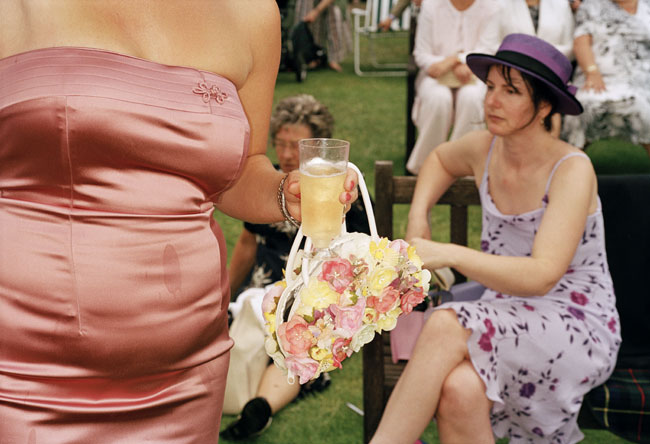
The image below , is one of my favourites by Martin Parr. It was taken at Ascot in 2003, and shows the contrast of social class within the event. When you first think of Ascot, you think of a high class, beautified event. However in the observational and reflexive image below, it shows the struggle of how a lower social class tries to fit in to the uppper class way of life, yet you can see from Martin's image how this doesn't actually work and they are just made to look sad. I think he's captured the social issues within the UK very well.